
A Practical Guide to Supporting Your Child’s First Year of Music
By Nash H Published On December 19, 2025
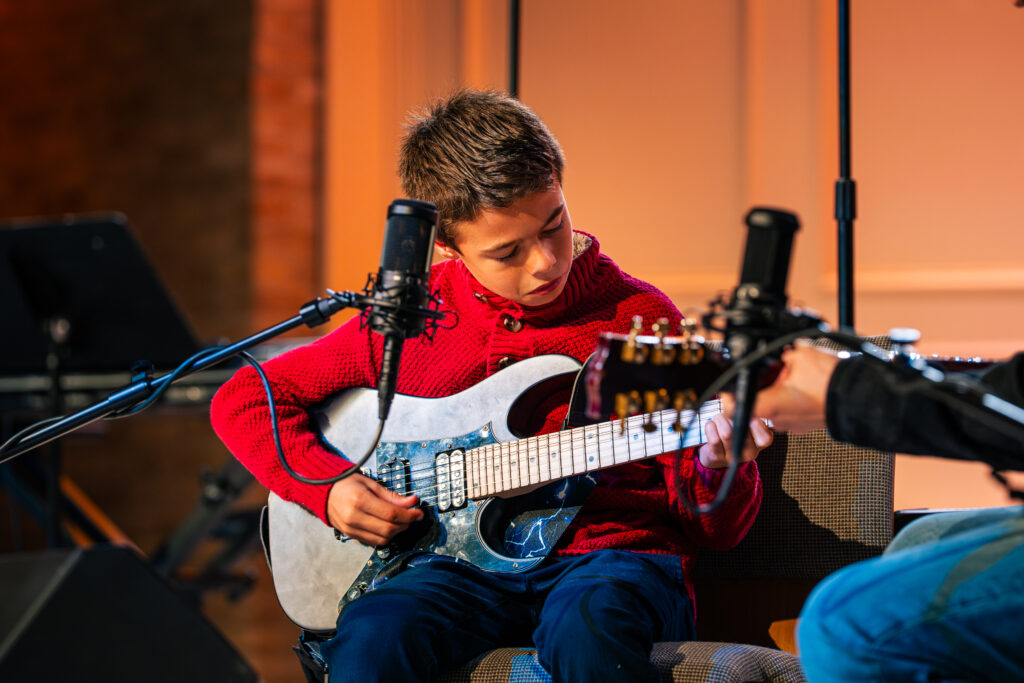
A Parent’s Guide to Supporting Your Child’s Musical Journey
Starting music lessons is an exciting milestone for children and parents alike. Whether your child is picking up an instrument for the first time or you’re considering voice lessons, the first year of learning involves growth, challenges, and deep rewards. This guide will walk you through what typically happens during the first 12 months of music lessons Dallas families choose; helping you understand the progression, set realistic expectations, and support your child effectively.
Why Music Lessons Matter: Benefits Parents Should Know
Before we dive into the timeline, it helps to understand why music lessons are valuable beyond learning an instrument.
Developmental and Cognitive Advantages
A growing body of research shows that structured music instruction supports cognitive, emotional, and social development in children. For example, a recent neuroscientific review concluded that early music education activates multiple brain regions involved in auditory processing, motor function, memory, and executive control, strengthening skills like attention and language acquisition. Because music engages complex neural networks, it fosters broad developmental benefits that extend well beyond the practice room.
Other scholarly work reviewing music’s impact on young learners found that engaging with music positively affects emotional intelligence, empathy, and social behaviors; important competencies both in and out of school.
By viewing music lessons as education as well as art, many parents in music lessons Dallas see that this experience can support their child’s confidence, academic focus, and creative thinking.
Months 1–3: Beginnings — Building Foundations
First Impressions
During the first few lessons, your child and their instructor will focus on:
- Instrument basics (holding the instrument, posture, breathing for singers)
- Simple rhythms and notes
- Familiarization with the music space and tools
- Establishing weekly lesson routines
This period is not about immediate mastery of songs. Instead, students develop foundational skills; proper technique and a comfort level with their instrument. Nearly all teachers begin with basic positioning, rhythm exercises, and simple melodies; learning full songs usually comes later.
Tips for parents:
- Attend the first few lessons if possible or ask the teacher for a quick recap afterwards.
- Set up a consistent practice space at home.
- Praise effort rather than perfection; early progress is often subtle.
Months 3–6: Establishing Habits and Early Progress
By months 3 to 6, your child will begin:
- Recognizing and naming musical notes, symbols, or rhythmic patterns
- Playing short melodies or simple chord progressions
- Building a basic practice routine
During this stage, consistency is more important than duration. Many teachers recommend 10–20 minutes of daily practice rather than long sessions once a week. This steady, short practice helps kids reinforce what they learn in lessons.
You may also notice:
- Improved coordination between hands, fingers, and eyes
- Early signs of musical independence (starting, stopping, and correcting mistakes)
At this point, some parents report that their child shifts from “lessons are fun” to “lessons take discipline.” This transition is normal and a key part of the learning process. Encouragement and structure from home make a big difference.
Months 6–9: Growing Confidence and New Skills
Once your child has a basic understanding of their instrument and musical notation, lessons in music lessons Dallas start to broaden in scope:
Expanding Repertoire
Your child may begin:
- Learning longer pieces
- Playing with both hands or more complex chord structures
- Singing with rhythm and pitch control (if in voice lessons)
At this stage, lessons focus on musicality as well as technique. Teachers often introduce:
- Music theory basics
- Ear training
- Simple improvisation or creative activities
This period builds confidence, students start feeling like real musicians, while continuing to refine technical skills. You may even begin to see your child engaging with music outside of lessons: humming, tapping rhythms, or bringing their instrument to the dinner table!
Months 9–12: Performance and Milestones
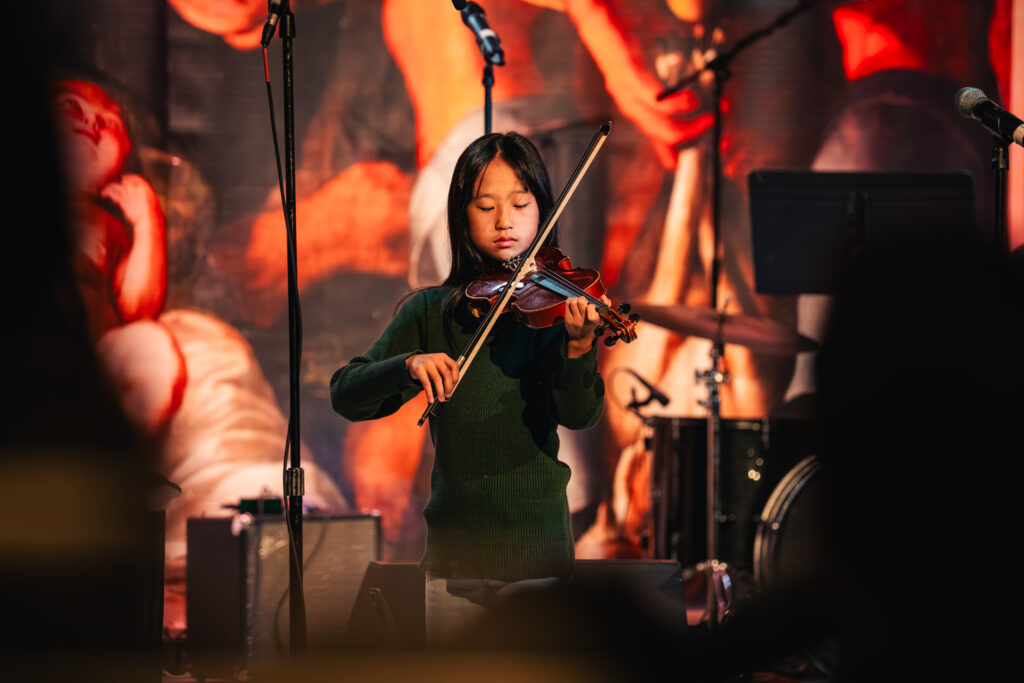
As your child approaches their first one-year mark, many instructors introduce performance opportunities:
- Recitals or studio showcases
- Playing/singing for family
- Group workshops or ensemble classes
These first performances are not about perfection; they’re about confidence and growth. For many students, participating in a low-pressure performance helps solidify their identity as a musician.
At this point, your child likely:
- Reads simple sheet music independently
- Understands basic music vocabulary
- Handles performance routines (warming up, focusing, playing in front of others)
You may also notice emotional benefits such as increased resilience, reduced performance anxiety, and a sense of accomplishment. Indeed, research consistently finds that music participation supports emotional development, helping children regulate stress and improve social engagement.
Managing Practice and Motivation
Across the first year, practice habits are one of the most important factors in progress. Most teachers in music lessons Dallas recommend:
- Daily short practice sessions (10–20 minutes)
- A written practice plan with small goals
- Encouragement and check-ins, not pressure
Celebrate the small wins. Music learning is nonlinear; sometimes breakthroughs come suddenly, often after a period of steady, unseen progress.
What’s Realistic in One Year?
It’s worth resetting expectations. Many parents ask, “How much should my child improve in 12 months?” The honest answer is: it varies.
Instruments differ in complexity, and every child learns at their own pace. For example:
- Piano and voice lessons often yield early tangible results in months
- String instruments and brass may take longer to develop comfortable tone production
- Wind instruments often require additional foundation in breath and embouchure
Despite differences, most students who take weekly lessons and consistent practice can:
✔ Play simple repertoire confidently
✔ Read basic notation
✔ Demonstrate good posture and technique
✔ Perform comfortably in a low-pressure setting
Common Challenges (and How to Support Your Child)
Motivation Fluctuations
It’s normal for enthusiasm to ebb and flow during the first year. When your child loses steam:
- Introduce music they love
- Attend concerts or community music events
- Encourage playing for family or friends
Frustration with Progress
Progress may seem slow at times, especially when advancing technique. This is a chance to teach resilience and patience, skills that are valuable well beyond music.
Scheduling Lessons and Practice
Commitment is key. Work with your instructor to align lesson frequency and practice expectations with your family’s schedule; whether that’s weekly lessons, make-up policies, or seasonal breaks.
Group vs. Private Lessons
In many music lessons Dallas programs, students can choose between:
- Private one-on-one instruction, for focused personalized learning
- Group classes or ensembles, for collaborative skills and social engagement
Both options have strengths: private lessons for skill mastery, and group settings for teamwork and performance practice. Many families blend both, private lessons with occasional ensemble or workshop participation.
Conclusion: What You (and Your Child) Will Gain
Your child’s first 12 months of music lessons is an investment in artistic skill, personal growth, cognitive development, and emotional resilience. While technical progress matters, the most meaningful outcomes are often the soft skills music builds: discipline, focus, self-expression, and confidence.
By understanding the typical year-long progression, from initial foundation building to confident performance and emotional growth, you’ll be better prepared to support your young musician. Whether your family is enrolling in music lessons Dallas for the first time or nurturing ongoing musical interests, this journey can be a lifelong source of joy.
Visit Lake Highlands School of Music for more information on music lessons in Dallas: https://lakehighlandsmusic.com/