
A Guide to the First 3 Months of Piano Lessons
By Nash H Published On January 29, 2026
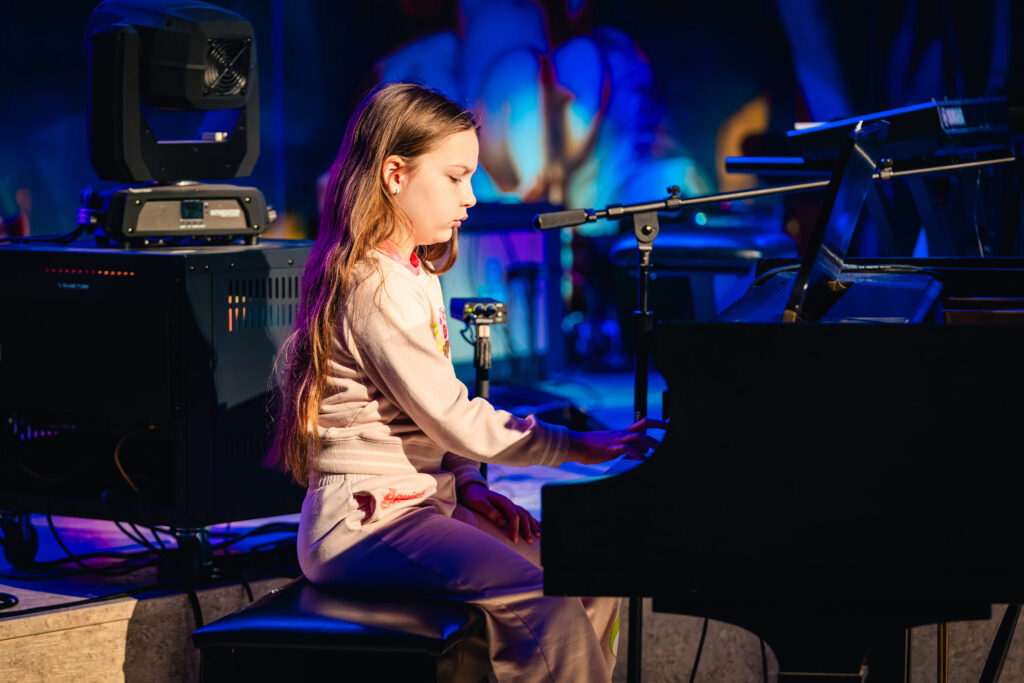
Starting piano lessons as a beginner is exciting, rewarding, and sometimes a little intimidating. Whether you are enrolling your child or starting lessons yourself as an adult, understanding what to expect during the first three months of piano lessons can make the experience smoother and more motivating. Beginner piano lessons are designed to build a strong foundation, develop confidence, and create healthy practice habits that lead to long-term success.
In this guide, we will walk through exactly what happens during the first three months of piano lessons for beginners, how progress typically looks, and how to get the most out of your piano learning journey.
Why Piano Lessons Are Ideal for Beginners
Piano is one of the best instruments for beginners of any age. Piano lessons help students understand music theory visually and physically while developing coordination, focus, and listening skills. Unlike many other instruments, beginners can produce a pleasant sound right away, which helps build motivation early.
Beginner piano lessons also translate well to other instruments. Students learn rhythm, pitch, harmony, and reading music in a way that supports future musical growth. This is why piano lessons for beginners are often recommended by music educators.
Month One: Building the Foundation
Getting Comfortable With the Piano
During the first month of piano lessons, beginners focus on becoming familiar with the instrument. Students learn the layout of the keyboard, including white keys, black keys, and how notes repeat across octaves. Understanding the keyboard geography is essential before moving into more advanced skills.
Teachers also introduce proper posture and hand position early. Sitting correctly at the piano, relaxing the shoulders, and learning curved finger placement helps prevent tension and sets students up for good technique from the start.
Learning Basic Music Concepts
In the first few weeks of beginner piano lessons, students are introduced to fundamental music concepts. These often include:
- The musical alphabet and note names
- Middle C and its role on the keyboard
- Basic rhythm values such as whole notes, half notes, and quarter notes
- Simple time signatures
- Counting out loud while playing
Reading music begins slowly and intentionally. Beginners usually start with one hand at a time to build confidence and accuracy.
Establishing a Practice Routine
One of the most important goals of the first month of piano lessons is building a consistent practice habit. Beginners do not need long practice sessions. Ten to twenty minutes a day is often enough when starting out.
Teachers guide students on how to practice effectively, focusing on short sections, slow tempos, and repetition. Developing a routine early helps beginners progress faster and feel more confident between lessons.
Month Two: Developing Coordination and Confidence
Playing With Both Hands
By the second month of piano lessons, beginners often begin playing with both hands together. This can feel challenging at first, but it is a major milestone in piano learning. Teachers introduce simple coordination exercises and beginner songs that gradually combine hands.
Students learn that mistakes are part of the learning process. Building patience and persistence during this stage is key.
Expanding Music Reading Skills
During month two, beginner piano students typically expand their music reading skills. This may include:
- Reading notes beyond middle C
- Learning additional notes on the treble and bass clef
- Playing slightly longer musical phrases
- Improving rhythmic accuracy
Music reading becomes more fluid as students recognize patterns rather than individual notes. This is an important step in long-term piano success.
Introduction to Musical Expression
As coordination improves, teachers begin introducing basic musical expression. Beginners learn concepts such as loud and soft playing, steady tempo, and articulation. These elements make music more enjoyable and expressive, even at an early level.
Students often start playing recognizable melodies during this phase, which boosts motivation and confidence.
Month Three: Gaining Momentum and Musical Understanding
Stronger Technique and Finger Control
By the third month of piano lessons, beginners usually show noticeable improvement in finger strength and control. Exercises become slightly more advanced, helping students play more smoothly and evenly.
Teachers may introduce beginner scales or finger patterns to support technique development. These exercises help prepare students for more complex music later on.
Playing Full Beginner Songs
In month three, piano students often play complete beginner pieces from start to finish. These songs reinforce reading skills, rhythm, coordination, and musical expression.
Being able to play a full song is a confidence booster and a clear sign of progress. Many students are surprised by how much they can accomplish in just three months of piano lessons.
Understanding Music Beyond the Notes
At this stage, teachers may begin introducing basic music theory concepts such as:
- Simple chord patterns
- Musical phrasing
- Repeats and musical symbols
- Listening skills and self-evaluation
These concepts help beginners understand music as a language rather than a series of notes to memorize.
What Progress Really Looks Like for Beginner Piano Students
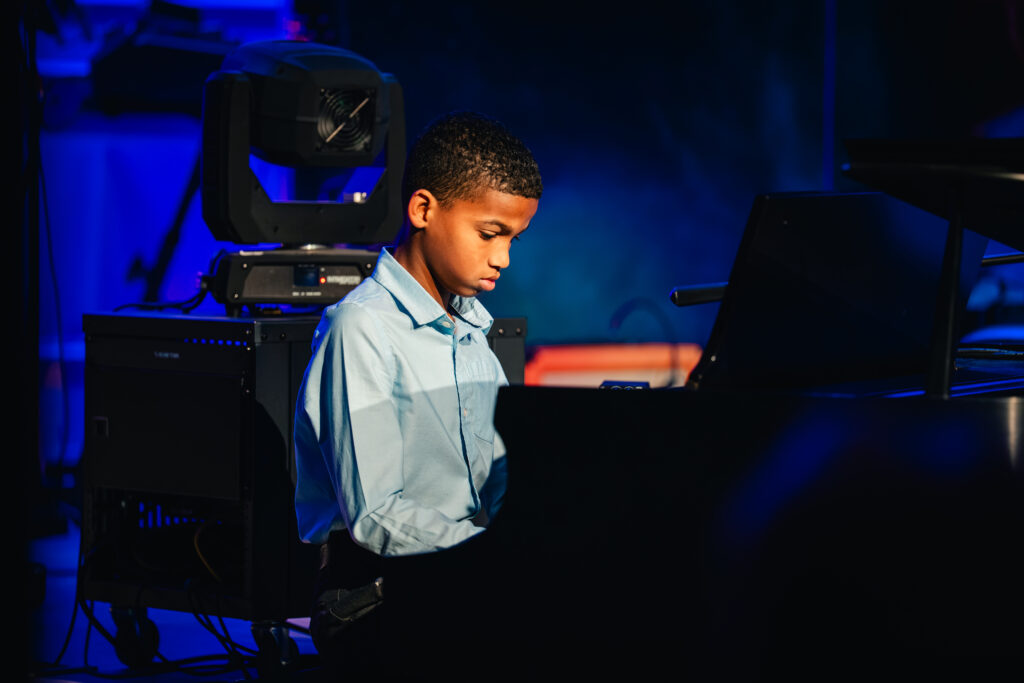
Progress in piano lessons is not always linear. Some weeks feel easier than others, and that is completely normal. Beginners may struggle with coordination one week and then experience a breakthrough the next.
The most important indicators of success during the first three months include:
- Increased comfort at the piano
- Improved ability to read music
- More consistent practice habits
- Growing confidence and enjoyment
A good piano teacher adjusts lessons to meet each student’s pace, ensuring steady and sustainable progress.
How Parents Can Support Beginner Piano Students
For children taking piano lessons, parental support plays a major role in success. Parents do not need musical experience to help. Encouragement, consistency, and structure go a long way.
Helpful ways to support beginner piano students include:
- Setting a regular practice schedule
- Providing a quiet, distraction-free practice space
- Celebrating effort rather than perfection
- Attending lessons when possible to understand expectations
Positive reinforcement builds confidence and helps children associate piano lessons with growth and achievement.
Adult Beginners and Piano Lessons
Adult beginners often worry that they are starting too late, but piano lessons for adults are extremely common and highly effective. Adults bring focus, patience, and motivation to lessons, which often leads to steady progress.
The first three months of piano lessons for adult beginners follow a similar structure, with lessons tailored to individual goals. Many adults enjoy learning familiar songs while developing foundational skills.
Choosing the Right Piano Lessons for Beginners
Not all piano lessons are the same. When choosing a music school or piano teacher, it is important to look for instructors who specialize in beginner piano lessons and personalize instruction.
A strong beginner piano program should include:
- Structured lesson plans
- Clear practice guidance
- Supportive and encouraging instruction
- Opportunities for performance and feedback
High-quality piano lessons set beginners up for long-term musical success.
Final Thoughts on Beginner Piano Lessons
The first three months of piano lessons are all about building a strong foundation. Beginners learn how to read music, develop coordination, establish practice habits, and gain confidence at the piano. With consistent practice and supportive instruction, progress comes faster than many expect.
Whether you are starting piano lessons for yourself or your child, the early months are an investment in musical growth, creativity, and lifelong skills. Beginner piano lessons are not about perfection. They are about progress, curiosity, and enjoying the journey of learning music.
Visit us at Lake Highlands School of Music – Home